

THE Docket
THE Docket

Setting a Record for Asbestos Awards
Russell’s client, a sheet metal worker, was exposed to asbestos while installing air ducts at the World Trade Center in the 1970s. Contractor Mario & DiBono had been cited multiple times for spraying asbestos-containing fireproofing without proper safety measures, yet failed to protect workers. Russell’s client underwent three and a half years of cancer treatment in an effort to extend his life after receiving a terminal diagnosis.
“There’s no safe level of exposure to asbestos,” Russell explains. “It’s a man-made cancer.”
This landmark case caps an impressive streak of victories for Russell, including verdicts of $23 million (2022), $23 million (2021), $13.6 million (2017), $3.2 million (2016), and $4 million (2015).

Now a coach herself, Russell continues giving back to the program that launched her remarkable career. —ANNA CURRELL
Shaping the Future of Legal Recruitment
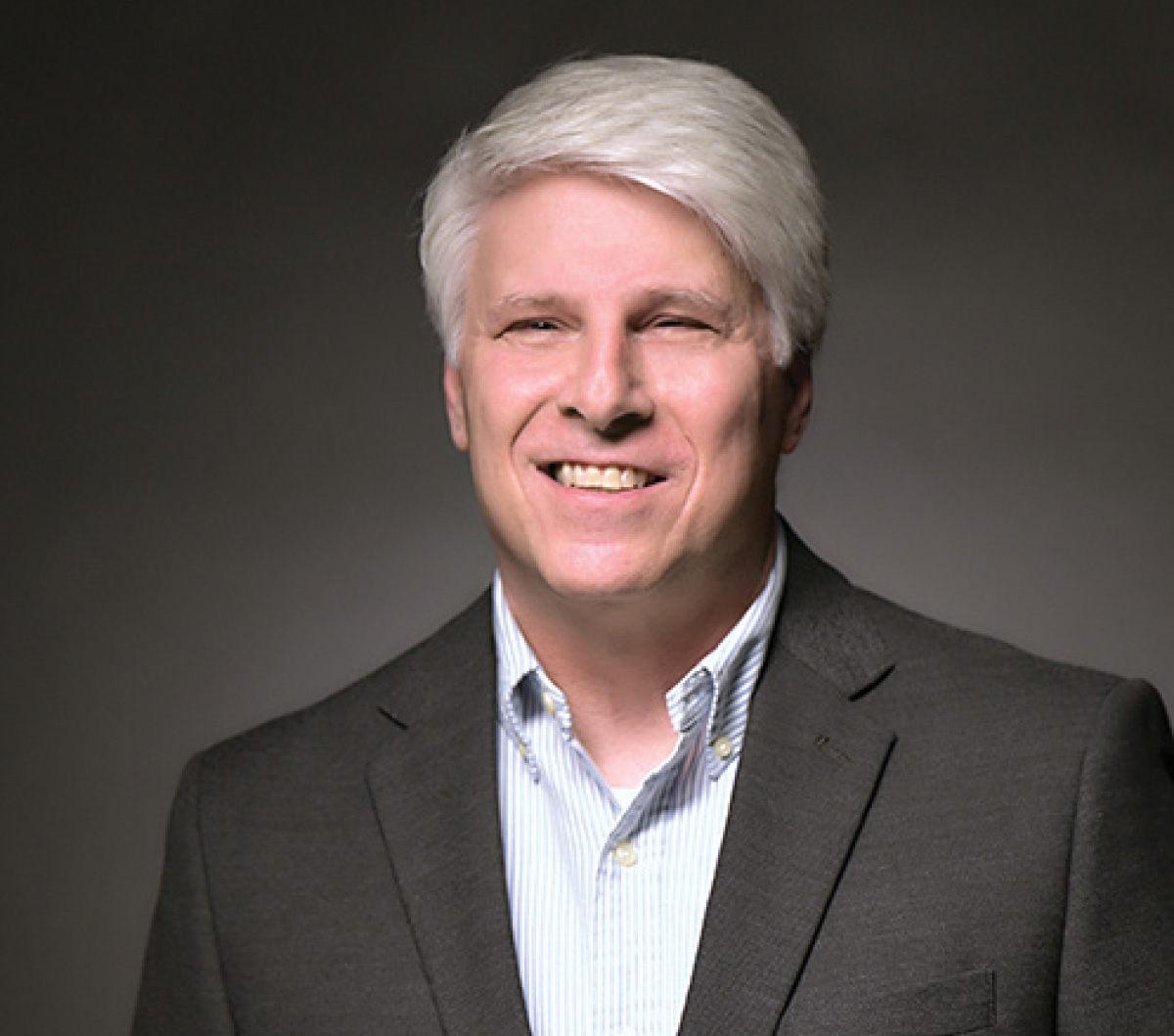
After graduating from Fordham Law, Ende spent 12 years at the law firm Cullen and Dykman before going into the field of legal recruiting. He later became head of career services at Hofstra Law School before joining William & Mary Law School as associate dean for career services in 2013.
During his tenure as NALP’s president, Ende will focus on a range of issues, including the accelerated recruiting and hiring timelines impacting law firms and law students across the country, and the professional readiness and well-being of students in the rapidly evolving recruiting landscape. “In the current recruiting environment, there are concerns about an increasing professional readiness gap and the mental health of law students,” says Ende. “I want to make sure that our members are doing all they can to ensure that law students develop the professional skills they need for success and benefit from a fair and ethical recruiting process.” —SEJLA RIZVIC
Innovating In-House

“I really enjoy working with founders and business leaders who are impact-driven and have a clear vision of what they want to accomplish,” says Uchekwe, whose clients span tech firms, lifestyle brands, and social media agencies.
Uchekwe began her career as in-house counsel at private investment firm Eldridge. Later, she joined wine tech company Sommsation as a legal advisor.
Going immediately in-house was “not typical at all” for a new grad, reflects Uchekwe, but it allowed her proximity to how business decisions are made. “I don’t know if I would have gotten that same kind of accelerated learning had I gone the traditional route,” she says.
As a fractional general counsel, Uchekwe fills a gap for businesses that need legal support but don’t yet have the budget for full-time legal counsel. The fractional model is becoming “less alternative and more strategic” as businesses increasingly operate with flexible structures, says Uchekwe.
She’s also energized by the entrepreneurial aspect of running her own firm. “It gives you the control to curate your own client base and how you provide legal services, while allowing you to live life on your own terms,” she says. “I think it’s a dream.”—SR
Spearheading Crypto Regulation
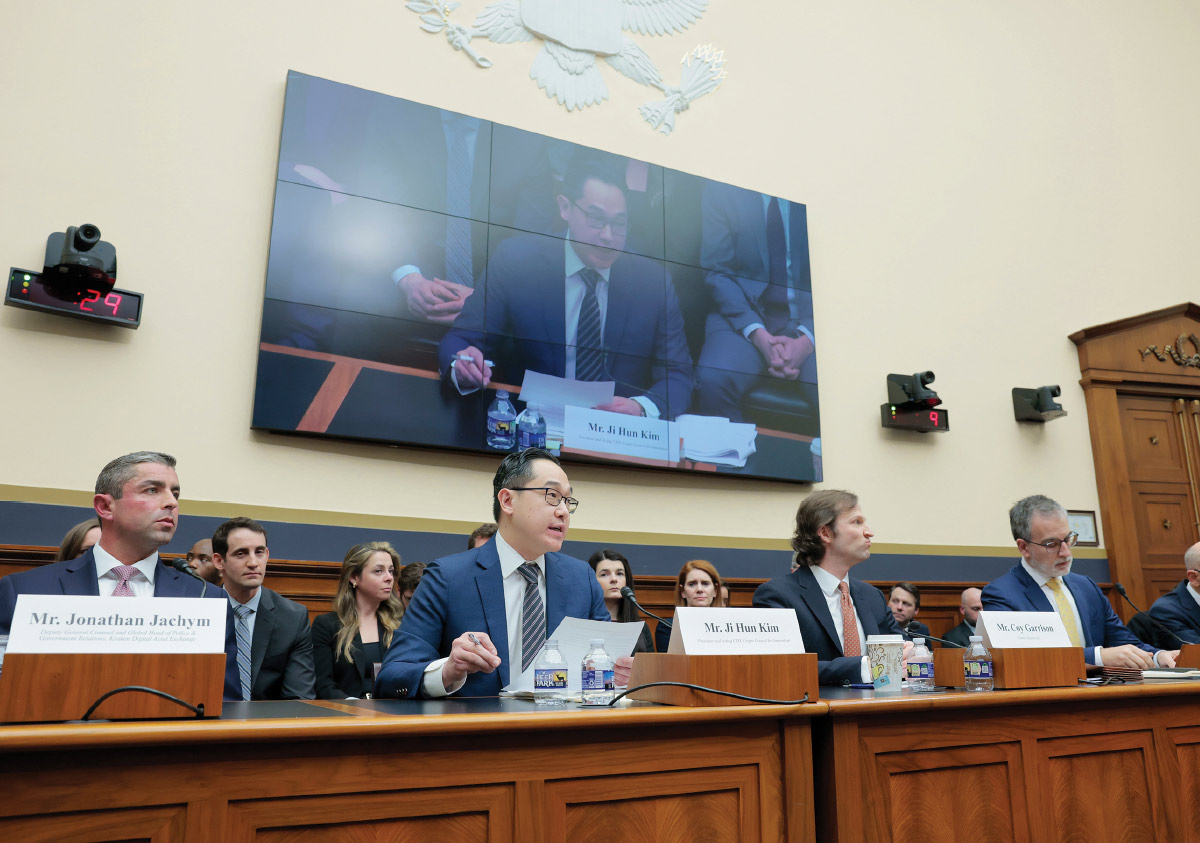
In 2025, Kim was named CEO of Crypto Council for Innovation (CCI), a global alliance for advancing innovation and responsible growth in digital assets through policy, research, education, and advocacy.
“Our mission is to help regulators and policymakers around the world develop smart, sensible regulations that enable responsible digital asset innovation
and best protect consumers and investors,” says Kim.
He has testified before Congress multiple times on behalf of CCI, advocating for digital asset regulations. Kim previously served as a clerk in the U.S. Bankruptcy Court and as general counsel for a global digital asset exchange, giving him rare insight into both legal frameworks and industry operations.
“There’s a misconception that the digital asset industry doesn’t want regulations,” Kim notes. “It’s the exact opposite. We want rules of the road. We want clarity.”
For Fordham Law students interested in a career in technology and law, Kim offers straightforward advice: “Never be outworked by anyone else. Understand the technology, understand the space, meet people, and give it your all.”—AC
Advocating for Immigrant Rights
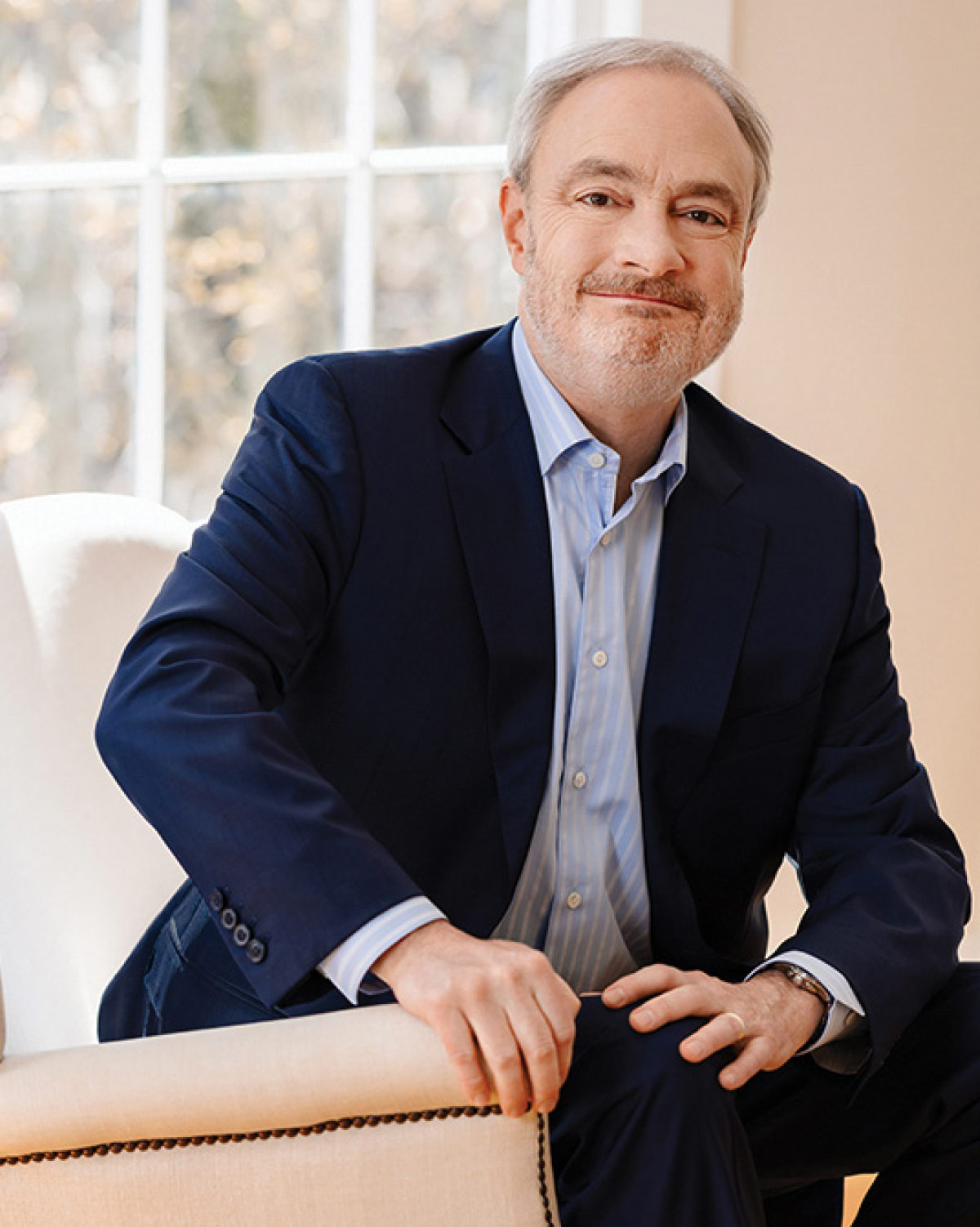
The current immigration policy landscape is the most challenging he’s ever seen, says FitzGerald: “We’re fighting the fight every day, we’re suing the government, and we’re pointing out the inaccuracies and the hypocritical statements, but they’re bringing everything to bear.”
Since retiring from Fragomen in 2023, FitzGerald has contributed his extensive expertise in immigration law to a range of causes, including the International Institute of New England, a designated refugee resettlement and advocacy organization in Boston, and Braver Angels, a nonprofit working to decrease political polarization by encouraging discussions on divisive topics, including immigration.
“There are incredible benefits that our country has received by bringing these folks in to fill roles and to support the economy—and also to raise their families and become part of our society,” says FitzGerald. “It is being, I think, mischaracterized to an incredible level.”—SR
Laying Down The Law (and the Tracks)
By day, Lockhart works at Frankfurt Kurnit Klein & Selz in New York as an intellectual property and professional responsibility attorney. By night, he logs hours in the recording studio, producing project after project. His latest, “Hear Me Out,” was released in January 2026 under the name Kep Lockhart.
Lockhart says a family friend who practices entertainment law inspired his career trajectory. “He explained to me what being a music lawyer is, and that was the first time I even knew that concept,” says Lockhart. “And so at that moment, around 14 years old, I made the decision to become a music lawyer because I wanted to represent people like myself.”
Lockhart describes his music as “honest music from a millennial’s perspective on love, life, and reflection.” His musical influences range from singer-songwriter Ne-Yo to Swedish producer Max Martin.
He says it’s not easy juggling his full-time legal job and burgeoning music career, but it’s worth it. “The things that you’re passionate about are the things that refuel you,” he says. “I don’t view myself as just ‘Khasim the lawyer.’ I’m just a human being. I’m trying to be the best human possible.”
His advice to law students is to remember their talents outside the courtroom. “A lot of us have gifts—whether it’s music, painting, poetry, literature—that we were born with or that were ingrained in us from a very young age. We don’t turn our back on that just because we become lawyers. You don’t have to pigeonhole yourself.”—AC
Fighting for Survivors of Abuse
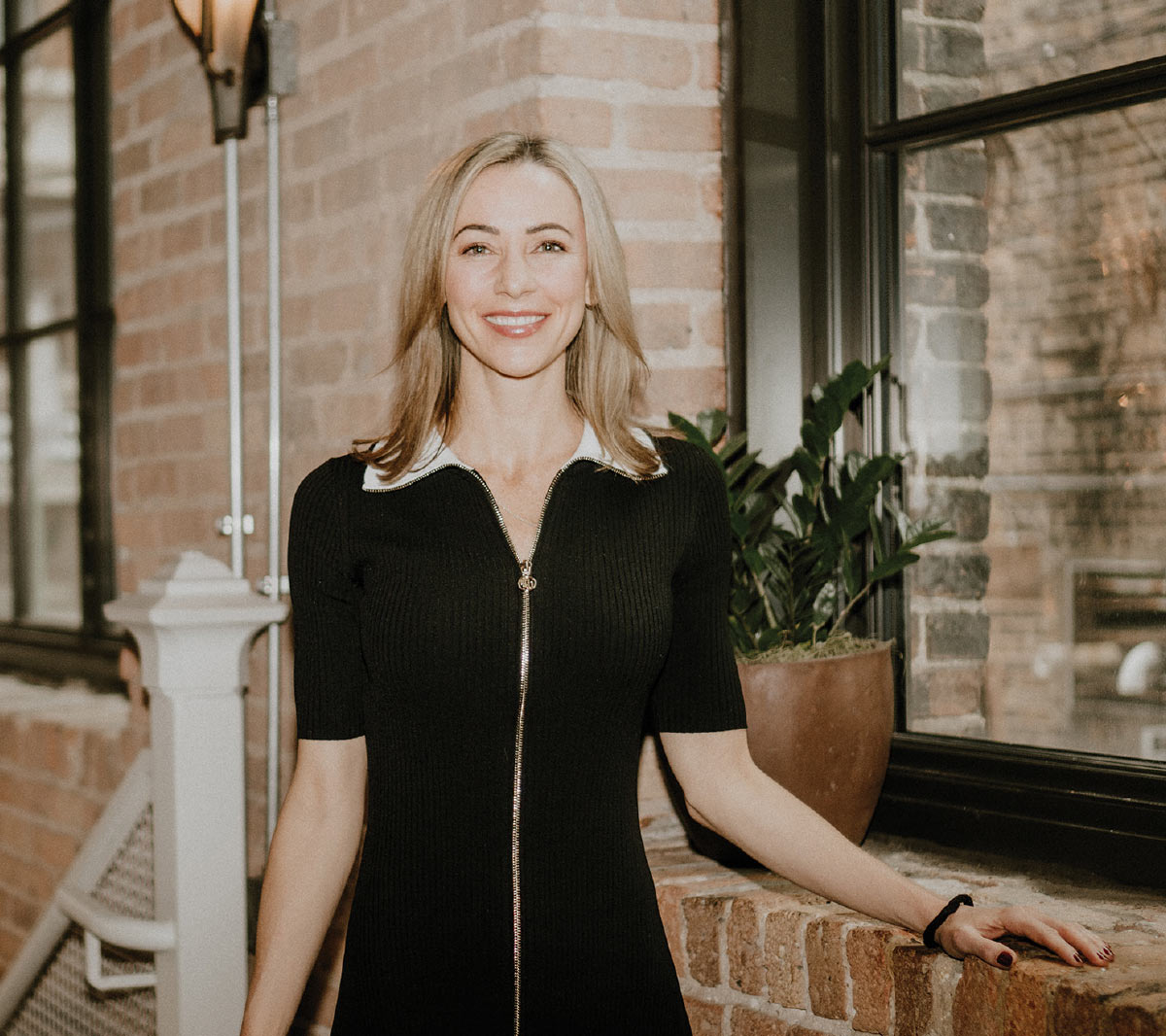
The firm specializes in campus dating violence, sexual assault, technology-facilitated abuse, domestic violence, and child welfare civil rights.
Understanding that clients have often recounted their trauma multiple times to family, police, and attorneys, Mahoney pioneered a gentler approach. She asks new clients to write narratives rather than verbally reliving painful details. “The trauma-informed approach keeps the client at the heart of what we do,” says ALM paralegal Casey Kasher.
Mahoney began her legal career at O’Melveny & Myers, where she was on the firm’s pro bono committee and represented survivors of sexual and domestic abuse. She later represented children in foster care in abuse and neglect proceedings in Manhattan, with a particular focus on cases involving sexual abuse and exploitation. She then became a senior staff attorney and the interim deputy director at A Better Childhood, investigating foster care systems nationwide and bringing civil rights class actions.
Despite initial fears about launching her own firm, Mahoney’s dedication paid off. “The work just started coming in right away,” she says. Beyond client representation, she has hosted a podcast educating survivors about their rights.
Her advice to current students? “Follow what you feel passionate about,” Mahoney says, and leverage Fordham’s powerful, committed alumni network.—AC
Making AI Work for Lawyers
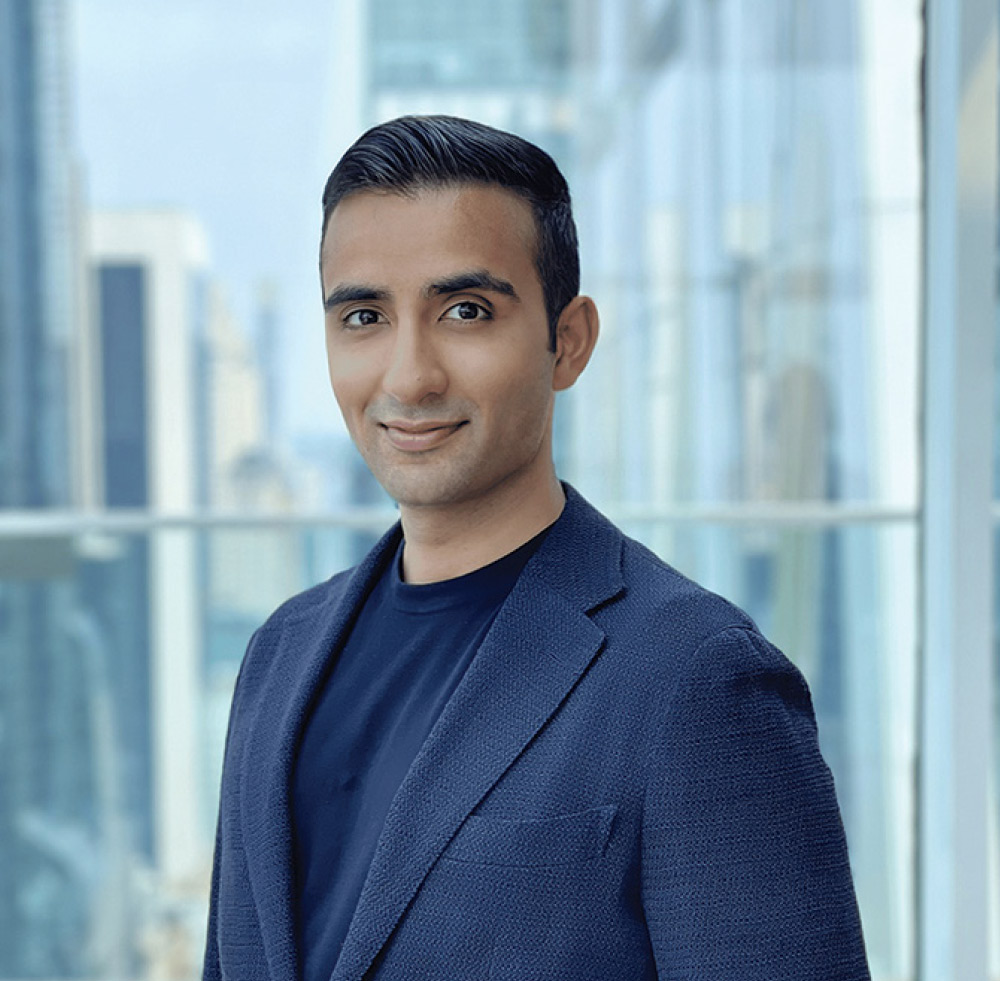
Siddiqi began his career in Big Law, working across dispute resolution and transactional matters, and later served as outside general counsel to a bank, advising on complex, high-stakes issues. He also built and managed his own client base. That range of experience (litigation pressure, deal execution, and client ownership) gave him a deep, practical understanding of how lawyers actually work day to day.
“When AI started to meaningfully mature, it was a real aha moment,” Siddiqi says. “I could immediately see how much of our time was spent recreating context, reexplaining matters, and redoing work that should compound instead of reset.”
That insight led Siddiqi to co-found Irys, an AI platform (formerly Iqidis) designed specifically for legal professionals. Working alongside his co-founder Devansh Devansh, an applied AI researcher and head of AI at Iqidis, Siddiqi set out to build a system that reflects how law is truly practiced across matters, documents, precedent, and workflows.
Launched in May 2025, the New York–based company now serves 247 law firms and in-house teams, with thousands of lawyers using the platform daily.
“Our users spend hours a day on Irys,” Siddiqi says. “It’s become a unified workspace where lawyers can start and finish their work faster, with more confidence, and better outcomes.”
Siddiqi credits Fordham Law with helping prepare him for both legal practice and entrepreneurship. A former managing editor of the Dispute Resolution Society and a winner of the International Arbitration Moot in Hong Kong, he says those experiences sharpened his thinking and resilience.
“The writing is on the wall,” Siddiqi adds. “Legal practice is changing, and it’s changing for the better. AI gives lawyers the ability to deliver more value than ever before.”—AC