

Fueling the Future Of Law

Photography by chris taggart
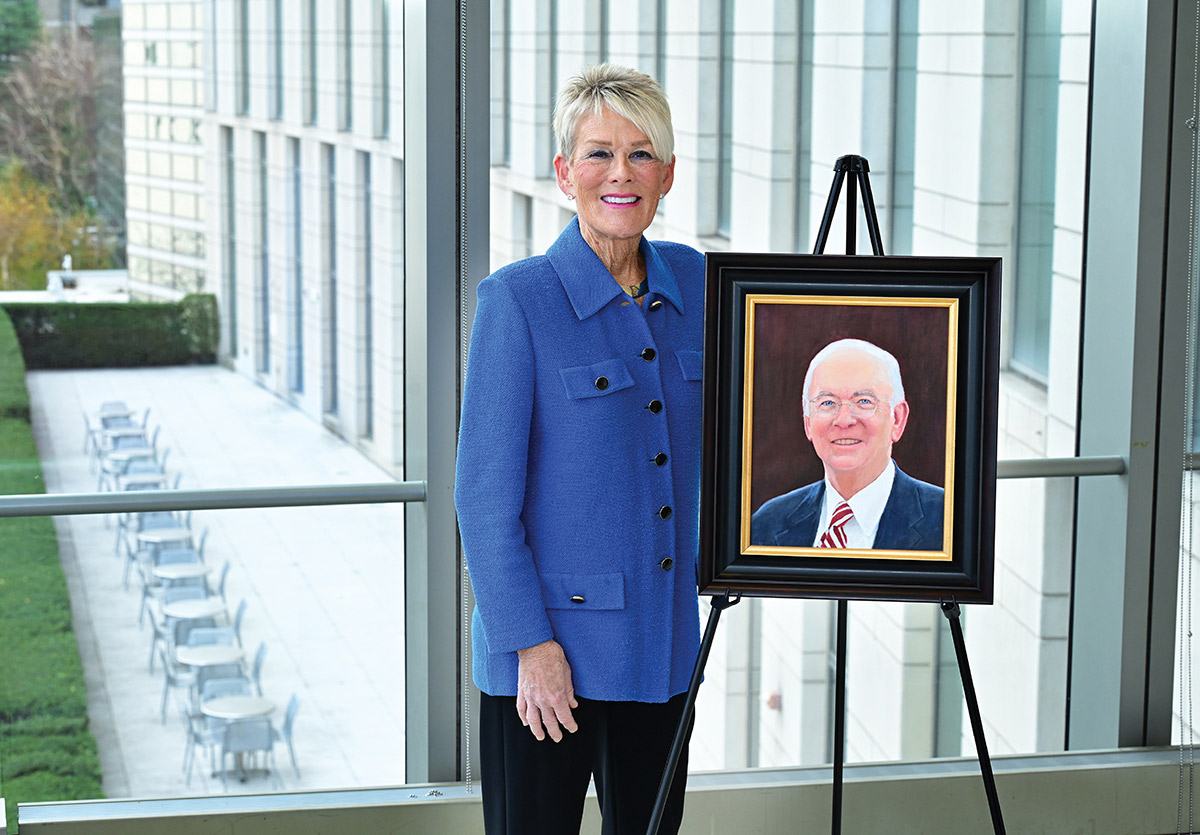
In the years since his death, Lehman has honored her late husband’s last wish by establishing a scholarship fund in his name. To date, this fund has enabled 10 Fordham Law School students—known as the Murphy Scholars—to pursue a legal education.
Murphy attended Fordham Law School with the financial assistance of his uncle, a Catholic priest. In the decade since Murphy’s death, Lehman has carried forward his legacy by ensuring a new generation of students have the same opportunity his uncle gave him: the chance to study what they are passionate about without financial stress.
Lehman brings to her philanthropy the perspective of a trailblazing corporate leader with an impressive career as managing director and executive vice president of Wachovia Corporation/First Union Corporation. At Wachovia, she was in charge of investor relations and corporate communications and served as the first female member of the bank’s operating committee.
In addition to creating the scholarship fund at Fordham, Lehman has given generously to the School, supporting a variety of programs. The Frank J. Murphy ’75 JD Veranda, a bright and spacious outdoor common area overlooking Lincoln Center, was named in Murphy’s honor.
“He was from a very supportive and aspirational family, but one that didn’t have a lot of money,” says Lehman about her late husband. “He applied to several schools, and Fordham was his top pick. His horizons just really expanded there. He loved it. And he always maintained contact with the alumni. He rose to become deputy general counsel at Bank of America with more than 100 attorneys reporting to him worldwide.”
Creating a community of scholars
or Lehman, her commitment to the Murphy Scholars extends beyond philanthropy.
“Alice is far more than just a donor. She is also a friend and mentor whose insights from her impressive and long career in the financial industry have been invaluable,” says Katie Scandole ’25 JD, a Murphy Scholarship recipient who is beginning her legal career as a first-year associate at Milbank LLP.
“Alice has created not just a scholarship, but a community,” continues Scandole. Lehman takes her scholars to lunch each fall semester and texts them regularly to catch up on their studies, their internships, and their lives. She even attended the wedding of one of her scholarship recipients.
Scandole credits the Murphy Scholarship for allowing her to be curious in her education, and now in her career, without the burden of student loans. “I hope to grow as a lawyer, learning as much as I possibly can, and ultimately discovering the area of law I’m most interested in. Financially, the scholarship has granted me the flexibility to explore those interests without being driven solely by the need for a certain salary. On a personal level, I know that Alice’s ongoing mentorship will be an amazing guide as I navigate the early stages of my career.”
Ryan Whyte ’26 JD, Cole Mullins ’27 JD, and Ashley Brito ’28 JD are the latest students to become Murphy Scholars. Mullins says the Murphy Scholarship is “the best gift, honestly, that anybody’s ever given me,” adding, “For Alice to take that kind of stress off my shoulders, and allow me to really commit to my education and figure out what I want to do—because I want to do it, not because I’m doing it to pay off loans—I can really commit to what I’m interested in, what I’m passionate about. I’m really grateful for that.”
As he completes his second year at Fordham Law, Mullins says he is excited for his upcoming summer associate position at Clifford Chance, a global law firm with 34 offices in 22 countries. He’s already making plans for after graduation, hoping to work in transactional law, particularly mergers and acquisitions.
“I really do feel like someone’s invested in me, and I want to not only work really hard, but take full advantage of the opportunity that she has given me,” says Mullins.
“I never thought of myself as a mentor,” Lehman says, reflecting on the community that has formed as a result of her philanthropy. “But having the opportunity to meet these young students, and help them with the support of faculty and staff at Fordham, we were able to make sure that every scholar had the best possible outcome. It’s just been a wonderful collaboration and gift to me from Frank. I love hearing from them.”

Supporting social justice
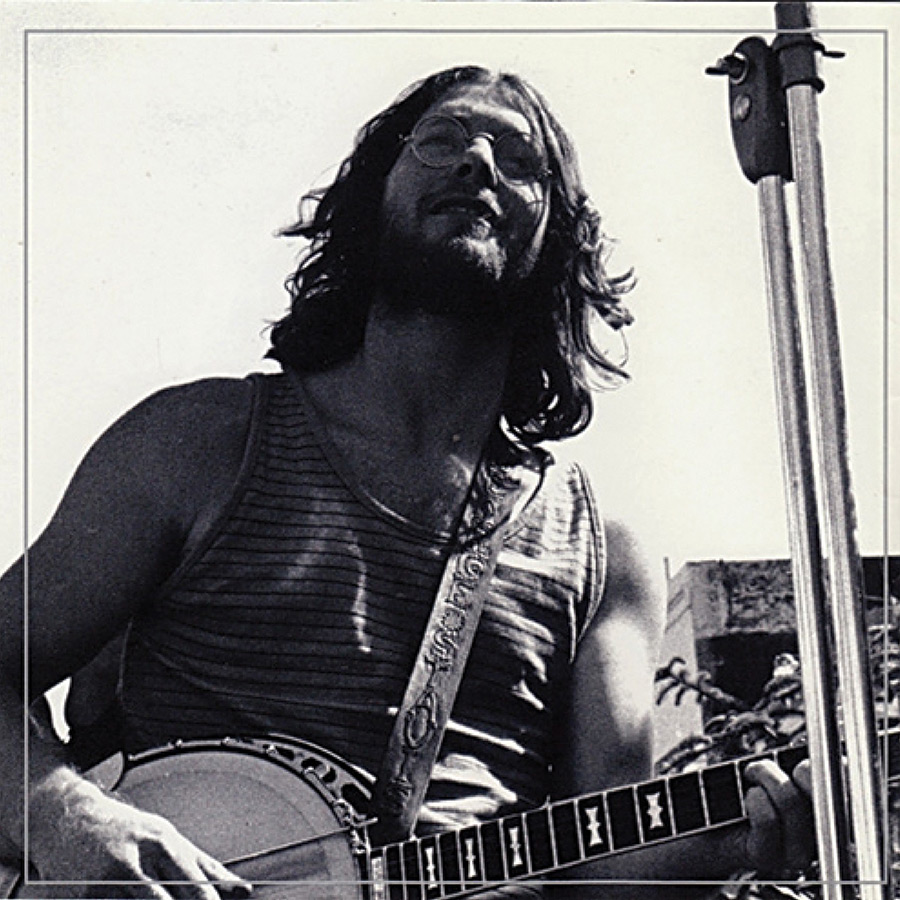
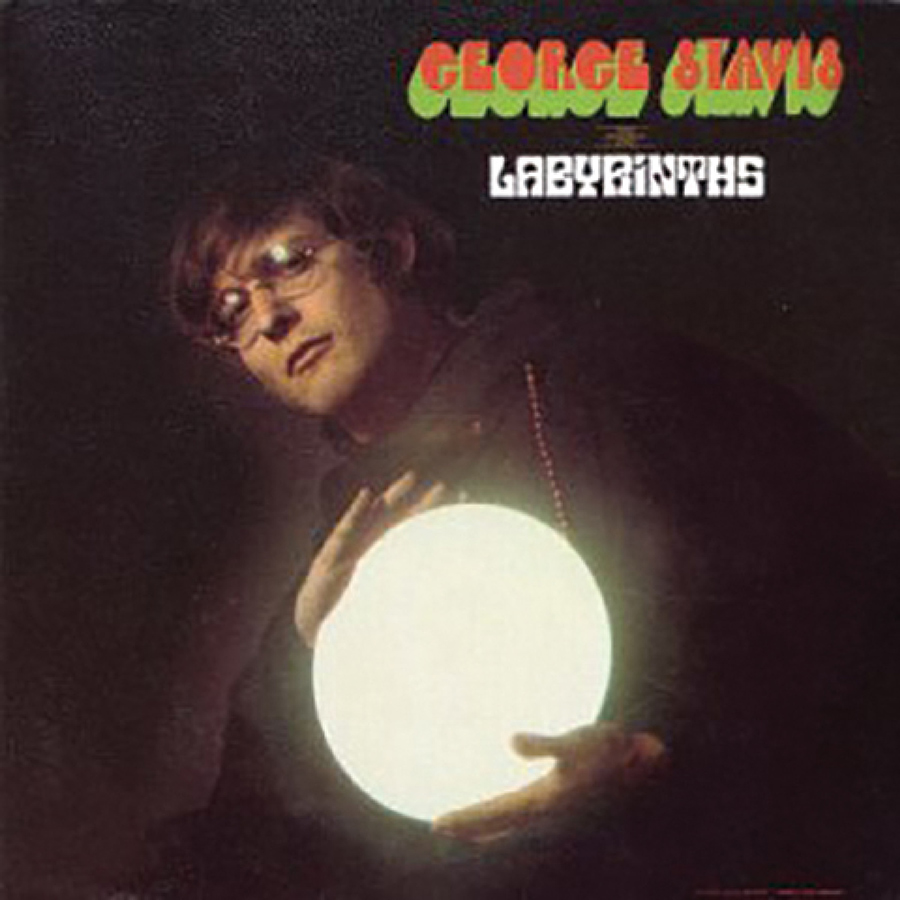
nother avid friend of Fordham Law and its students is George Stavis. Law wasn’t George Stavis’s first career—or even his second, third, or fourth, for that matter. After working as a professional musician, community center builder and director, college alumni director, and children’s apparel company CEO, Stavis enrolled at Fordham Law at the age of 51.
“Law was always lurking in the background,” says Stavis. His father, Morton Stavis, was counsel to the Rev. Dr. Martin Luther King Jr. and the founder of the Center for Constitutional Rights. “My father was a wonderful man, and he had a remarkable career,” Stavis notes.
When Stavis decided to pursue a legal education, his intention was to attend Columbia Law School, as his father did. “I applied too late, and the admissions director at Columbia suggested I apply to Fordham—which I did late in the game—and Fordham Law was kind enough to accept me at age 51,” says Stavis.
One year into his studies at Fordham Law, where he was building deep connections with faculty, Columbia offered him deferred admission. Determined to honor his father’s legacy, Stavis transferred to Columbia Law, where he received his JD in 2000. Despite moving on from Fordham, he forged strong ties with the Law School community, and he has maintained a deep dedication ever since.
He worked at the Center for Constitutional Rights while taking classes in Fordham Law’s part-time evening program, and he connected with the faculty, especially Dean Emeritus and Norris Professor of Law John Feerick ’58, ’61 LLB, who founded the Feerick Center at Fordham Law. He spoke to Matthew Diller, then dean and now co–senior counsel of the Center, about increasing his support of the Center.
The Feerick Center provides pro bono legal services to clients in New York City and New York state, working in areas such as education equity and immigrant justice, and in other areas facing low-income New Yorkers.
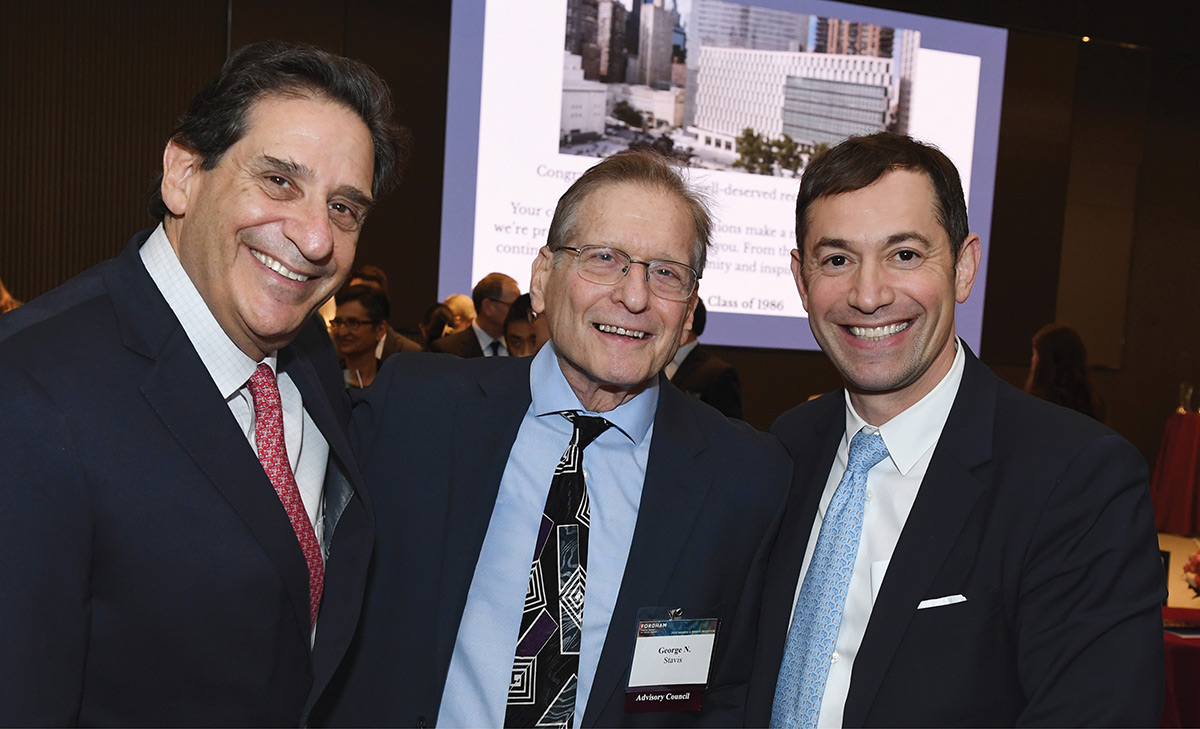
It was this connection to Fordham Law and the Feerick Center that inspired Stavis’s long-standing philanthropic support throughout his time as an attorney, increasing his financial support over the years in the profession.
“I don’t know that there’s anything quite like [the Feerick Center] at the other law schools in the New York area that has this level of commitment and implementation,” he says. “The leadership has been so committed and so good.”
“It has been such a pleasure to get to know and work with George Stavis,” says Diller. “He brings both wisdom and humility to every interaction and conversation. His philanthropic goals could not be more clear: to express his gratitude to Fordham Law, and to fuel the work of the Feerick Center in bringing to bear the passion and skills of lawyers and law students to make a positive difference for those in our community who are facing hardship and injustice.”
With no living children, Stavis has made substantial commitments currently to the Center and plans to leave a sizable bequest to the Center through his estate. “I decided I would make large gifts to organizations, rather than spreading it out among [many], so they would have an impact. What I can do, with the assets I have, is to support those efforts that do the good work so needed to help others. It’s not to be admired. I’m simply here to help.”